
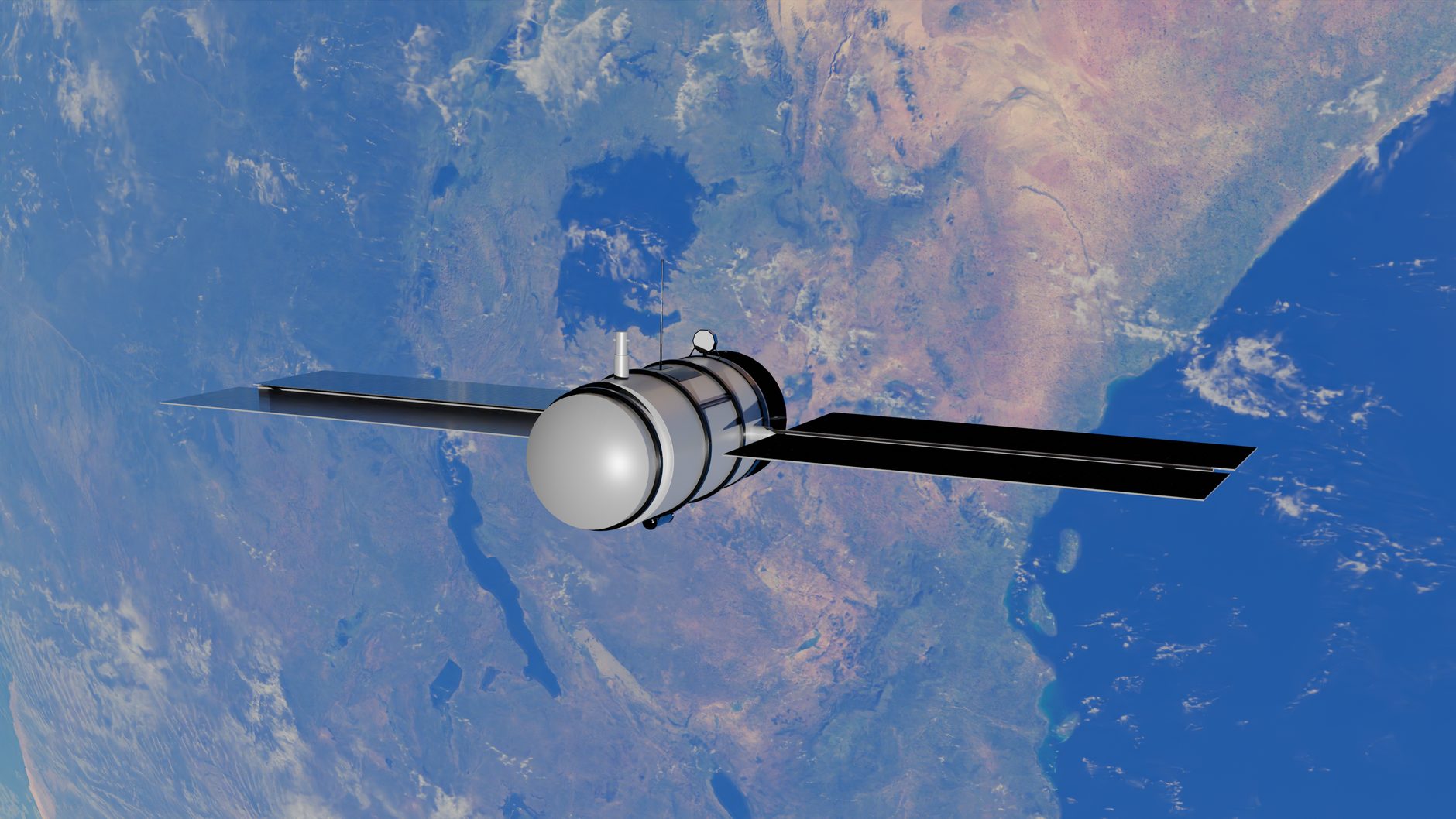
ISRO earth observation satellite missions are gaining momentum with the successful launch of EOS-05. This achievement highlights India’s growing capabilities in space technology.
ISRO’s Latest Milestone in Space
In a significant advancement for India’s space capabilities, the Indian Space Research Organisation (ISRO) successfully launched its latest earth observation satellite, EOS-05, from the Satish Dhawan Space Centre in Sriharikota. This milestone marks a pivotal moment in ISRO’s ongoing efforts to enhance its satellite technology and capabilities.
The EOS-05 satellite is designed to provide critical data for various applications, including agricultural monitoring, forestry, and disaster management. By utilizing advanced imaging technology, the satellite aims to deliver high-resolution images that can assist in environmental assessment and resource management.
With this launch, ISRO has set its sights on an ambitious schedule, targeting six more launches over the upcoming months. These missions are expected to expand India’s earth observation capabilities further and provide vital information to various sectors.
ISRO’s commitment to innovation and excellence in space exploration continues to position India as a key player in the global space arena. As the agency advances its technological prowess, the potential applications of the ISRO earth observation satellite program are set to increase, benefiting numerous fields both locally and internationally.
Understanding the EOS-05 Satellite
The EOS-05 satellite, a significant achievement for ISRO, is designed to enhance India’s capabilities in earth observation. This satellite is equipped with advanced sensors that allow it to capture high-resolution images of the Earth’s surface, providing crucial data for various applications.
Among its primary functions, the EOS-05 satellite aims to:
- Monitor Agricultural Patterns: By tracking crop health and growth, the satellite assists in improving food security.
- Disaster Management: The satellite’s imaging capabilities are vital for assessing damage from natural disasters and facilitating timely response efforts.
- Environmental Monitoring: EOS-05 will help in tracking changes in land use, deforestation, and urbanization, contributing to sustainable development initiatives.
The successful launch of this earth observation satellite marks a step forward in ISRO’s mission to harness technology for societal benefits. With EOS-05 now operational, the agency is set to leverage its data for various governmental and research purposes, enhancing decision-making processes across multiple sectors.
Furthermore, the satellite’s launch is part of a broader strategy, with ISRO planning additional missions to expand its portfolio of earth observation satellites.
Future Launch Plans by ISRO
As ISRO continues to build on its recent success with the launch of the EOS-05, the space agency is now outlining its future launch plans for additional earth observation satellites. These upcoming missions aim to enhance India’s capabilities in monitoring environmental changes, agricultural trends, and disaster management.
Among the ambitious objectives, ISRO targets a total of six more launches in the near future. The planned satellites will include advanced imaging systems designed to capture high-resolution data, which is critical for both government and private sector applications.
Key elements of the launch strategy include:
- Timeline: Launches are scheduled at regular intervals to ensure timely data delivery.
- Technology Upgrades: Incorporating the latest advancements in satellite technology to improve data accuracy and reliability.
- International Collaboration: Partnering with global organizations to enhance research capabilities and share valuable insights.
ISRO’s focus on expanding its portfolio of earth observation satellites reflects its commitment to supporting sustainable development and addressing pressing global challenges.
Impact of Earth Observation Satellites
The impact of Earth observation satellites is profound, influencing various sectors and enhancing our understanding of the planet. The recent launch of the ISRO earth observation satellite, EOS-05, underscores the significance of such technology in addressing pressing global challenges.
Earth observation satellites provide critical data that aids in:
- Agricultural Monitoring: These satellites help in assessing crop health, predicting yields, and managing resources efficiently.
- Disaster Management: Timely information on natural calamities like floods and wildfires allows for effective response strategies, potentially saving lives and property.
- Climate Change Studies: Continuous monitoring of environmental parameters helps scientists track climate trends and make informed predictions.
- Urban Planning: Satellite imagery supports city planners in managing urban growth and infrastructure development sustainably.
- Environmental Protection: Monitoring deforestation, pollution levels, and biodiversity helps in the conservation of ecosystems.
As countries increasingly rely on satellite technology for these applications, ISRO’s commitment to launching more earth observation satellites will play a crucial role in global efforts to tackle environmental issues and promote sustainable development.
Technological Advances in Satellite Launches
The realm of satellite technology has witnessed significant advancements in recent years, particularly in the domain of earth observation. ISRO’s latest endeavor, the EOS-05 satellite, embodies these technological breakthroughs, showcasing enhanced capabilities for data collection and analysis.
Key developments include:
- Miniaturization: Satellites are becoming smaller and lighter without compromising their functionality, allowing for more efficient launches and reduced costs.
- Improved Sensors: The integration of advanced sensors has greatly enhanced the accuracy and resolution of data captured by earth observation satellites.
- Autonomous Operations: New algorithms enable satellites to operate autonomously, optimizing their performance and reducing the need for constant ground control.
- Launch Flexibility: Innovations in launch vehicles allow for multiple payloads to be deployed in a single mission, which is a vital aspect of ISRO’s upcoming launch plans.
As ISRO continues to push the boundaries of space technology, the evolution of earth observation satellites will play a crucial role in monitoring climate change, natural disasters, and urban development, ultimately benefiting society at large.
To determine the optimal launch plan for the ISRO earth observation satellite, experts are analyzing various orbital configurations. The success of the ISRO earth observation satellite will significantly enhance our capabilities in monitoring environmental changes.
Photo by Zelch Csaba on Pexels